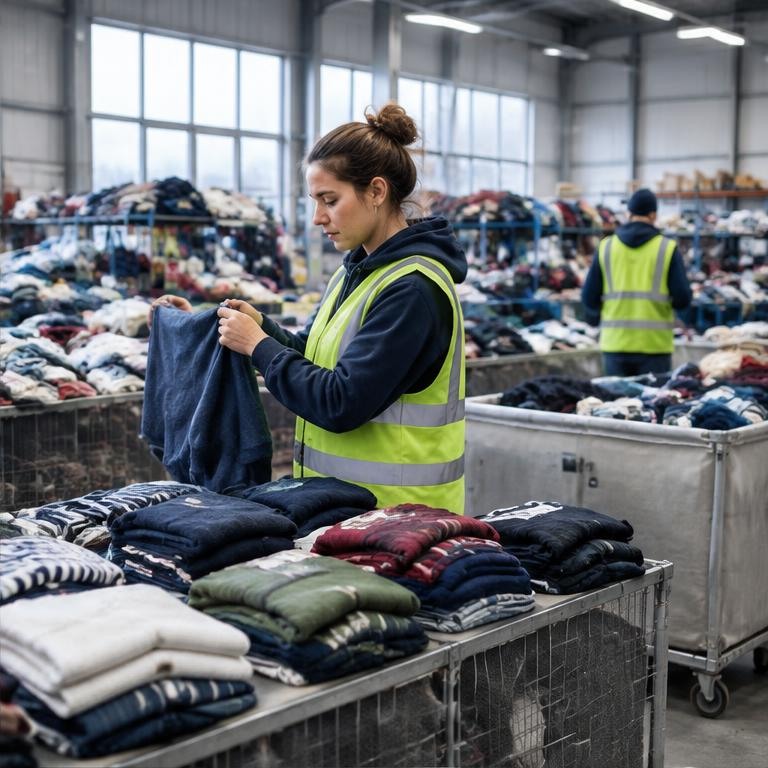
Ireland buys a lot of clothes. More than almost anywhere else in Europe, in fact. With one of the highest textile consumption rates in the EU at 53 kilograms per person per year (CMS), the country has a fast fashion problem that has been building quietly for years. The response arriving now — through a combination of national policy and binding EU law — is the most direct intervention the sector has faced.
[Full article body to follow — please resend the middle section of the piece and it will be inserted here.]
The new framework brings real teeth: producer responsibility obligations, and EU-level enforcement behind it. With 110,000 tonnes of textile waste generated annually and a consumption rate among the highest in Europe, the intervention is proportionate to the problem. For Irish consumers, it means better access to repair, clearer product information, and an industry increasingly held accountable for what happens to its products after the sale. For brands and retailers, it means the economics of fast fashion are changing — by law.
Sustainability Pulse covers climate, energy, ESG and environmental policy through an Irish lens. Subscribe to the Sustainability Pulse Briefing — every Wednesday.