Today is World Environment Day — the United Nations' annual global call to action for the planet. This year's theme, #NowForClimate, lands at a moment of unusual clarity for Ireland. New data from the Central Statistics Office, published yesterday, gives us our clearest national picture yet of where we stand on climate, energy and environmental performance.
The headline: progress is real, measurable, and accelerating in several important areas. But the pace required to meet our legally binding 2030 targets — a 51% reduction in greenhouse gas emissions from 2018 levels — remains out of reach on the current trajectory.
What the new data shows
Homes are getting more efficient. Over 99% of new dwellings completed in the last twelve months now carry an A energy rating. A decade ago that figure was below 25%. New build standards have shifted decisively.
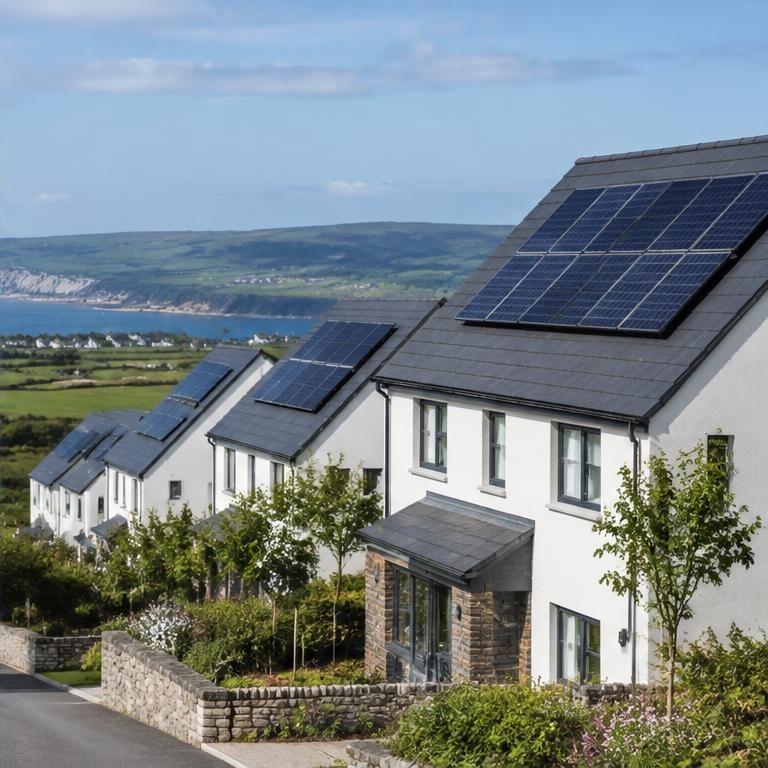
Solar adoption has nearly tripled. Microgeneration installations on Irish rooftops are up almost 3x year-on-year, driven by the Clean Export Guarantee and falling panel costs. Residential solar is no longer a niche.
Electric vehicle sales jumped 73%. Battery electric vehicles now account for 18.4% of new car registrations, up from 10.6% a year ago. Plug-in hybrid sales are also rising. The Irish car market is electrifying faster than most European peers.
Renewables now supply 42.6% of the grid on a 12-month rolling basis — a record. Wind continues to do most of the heavy lifting, with solar's contribution growing month on month.
Where the gaps remain
The retrofit programme is behind by over 400,000 homes. SEAI has completed 94,000 deep retrofits — a respectable absolute number, but well short of the 500,000 target for 2030. Skills shortages, grant complexity and supply-chain constraints are all contributing factors.
Waste generation has risen 21%. Despite the single-use plastic ban and improved recycling infrastructure, total waste per capita is increasing. Circular economy progress is slower than the rhetoric suggests.
Emissions are down 12% from 2018. To hit the 51% reduction by 2030, Ireland needs to cut roughly 4.8% per year for the remainder of the decade — a rate we have never sustained. Agriculture, transport and the built environment remain the hardest sectors to shift.
Why today matters
World Environment Day is not just symbolic. It's a fixed point in the year when boards, leadership teams and policymakers should honestly benchmark where their organisation stands against where the science, the regulation and the market require them to be.
The economic case is now unambiguous. The Green Economy in Ireland supports nearly 50,000 jobs and generates over €12 billion annually. That figure will grow. Companies that move first on credible decarbonisation are accessing lower cost of capital, better talent, and an expanding pool of procurement opportunities tied to sustainability performance.
The companies — and the public bodies — that wait will pay more, later, for the same transition.
Sustainability Pulse covers climate, energy, ESG and environmental policy through an Irish lens. Subscribe to the Sustainability Pulse Briefing — every Wednesday.